Our story

It started with a notebook.

Long before Mokimo there was a spiral notebook, filled with machines drawn up in Tom's childhood but never built. The drawings were wrong in every proportion, but the habit was there: decide what the thing must do, draw how it will do it, then go and build it.

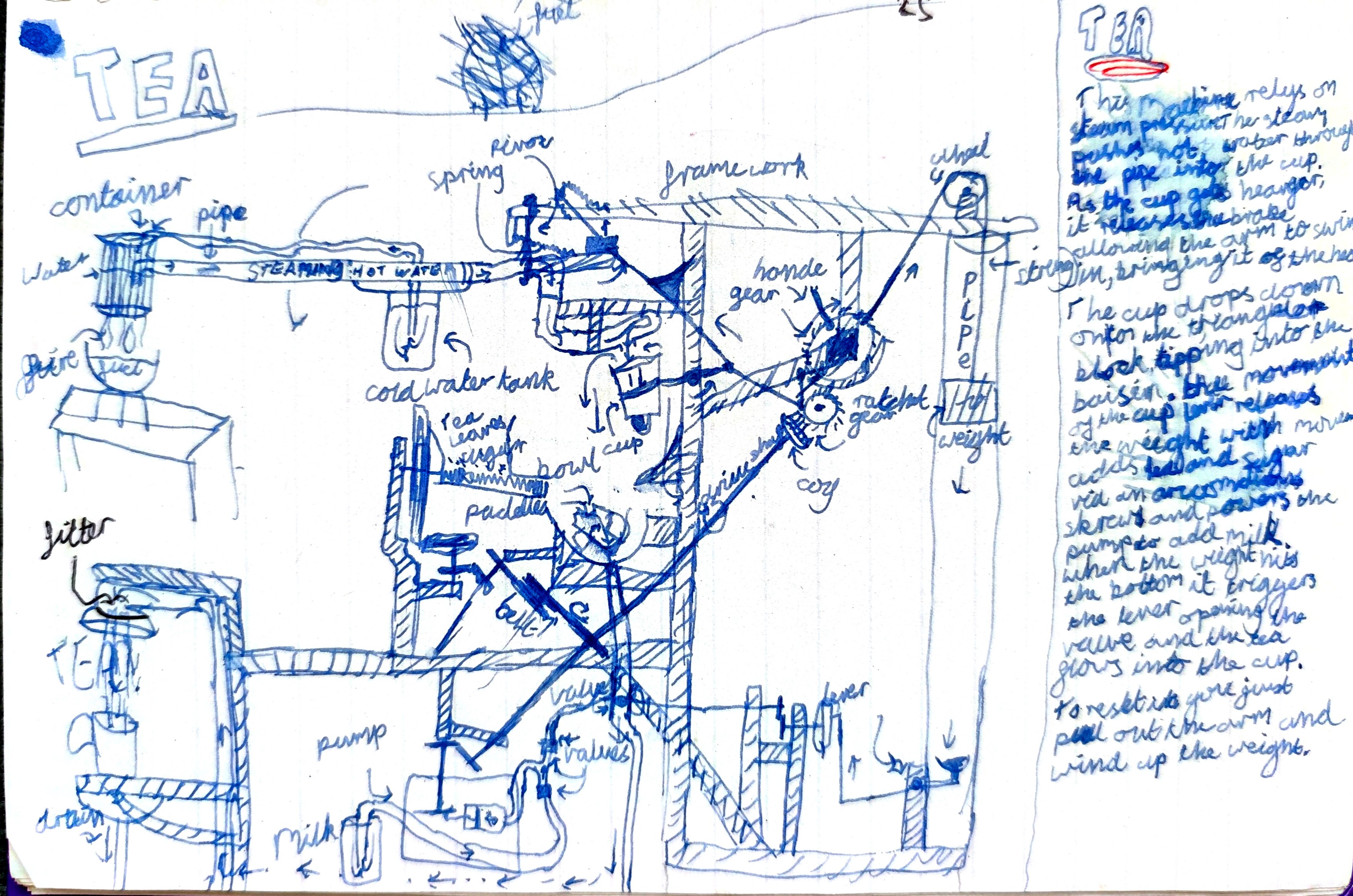
Child's notebook drawing of a steam-powered tea machine, annotated with labels for the cold water tank, ratchet gear, weights, paddle and milk pump
AUTOMATIC TEA MAKER
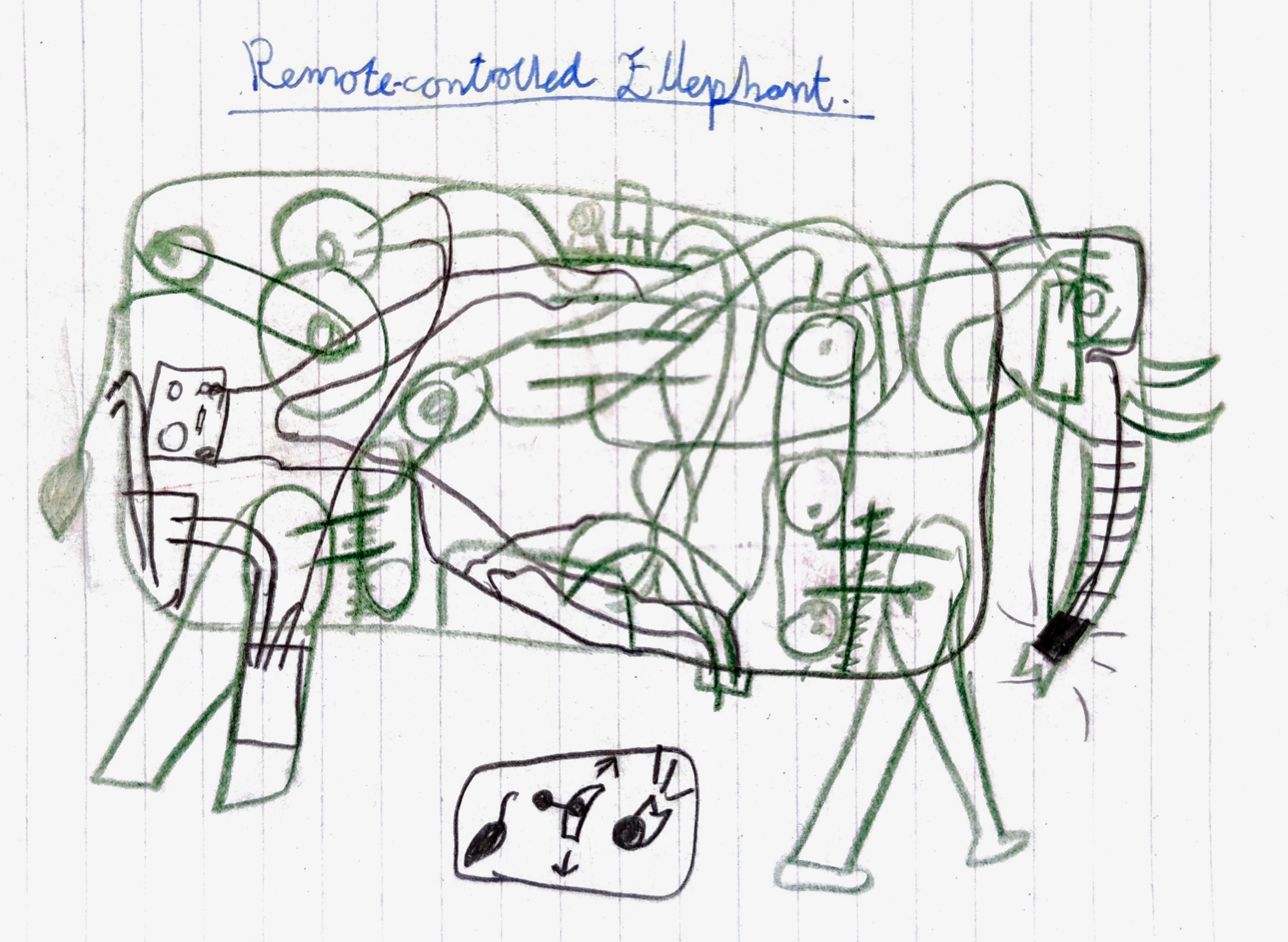
Child's drawing titled 'Remote-controlled Elephant': a green elephant packed with gears, pulleys and wiring, with a small handheld remote drawn below
REMOTE-CONTROL ELEPHANT
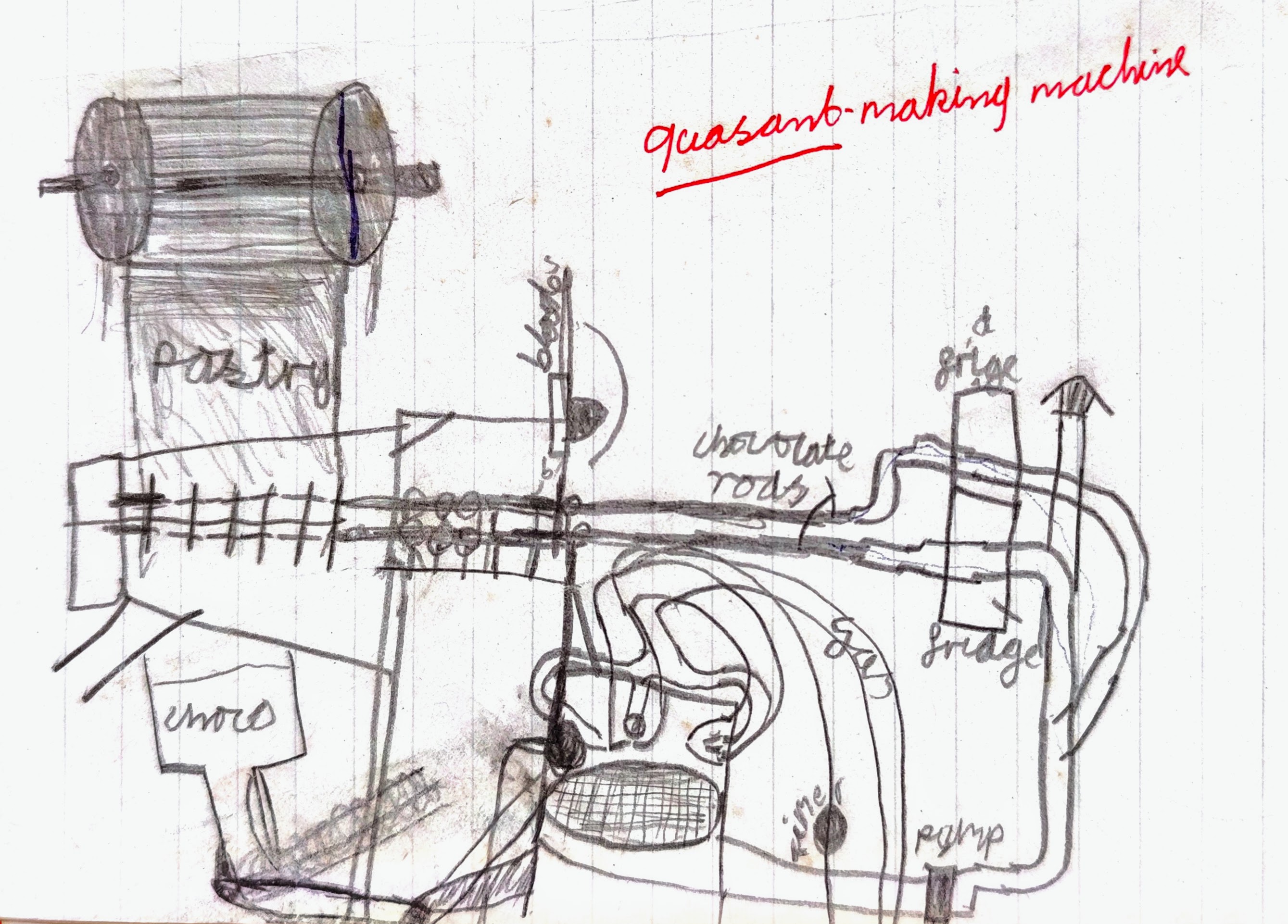
Child's pencil drawing titled 'quasant-making machine': a croissant factory with a pastry roller, blades, chocolate rods, a fridge, burner and pump
THE CROISSANT MACHINE
01 Childhood

The notebook

A steam-powered tea machine, sketched crudely in pen: steam pressure pushes hot water through the pipe into the cup, the cup's growing weight releases a ratchet, a weight drops and swings an arm to add the tea and sugar, a pump tops up the milk. The physics was optimistic and nothing in it would have worked - but every page asked the same question: how would I make this work? That question never went away.
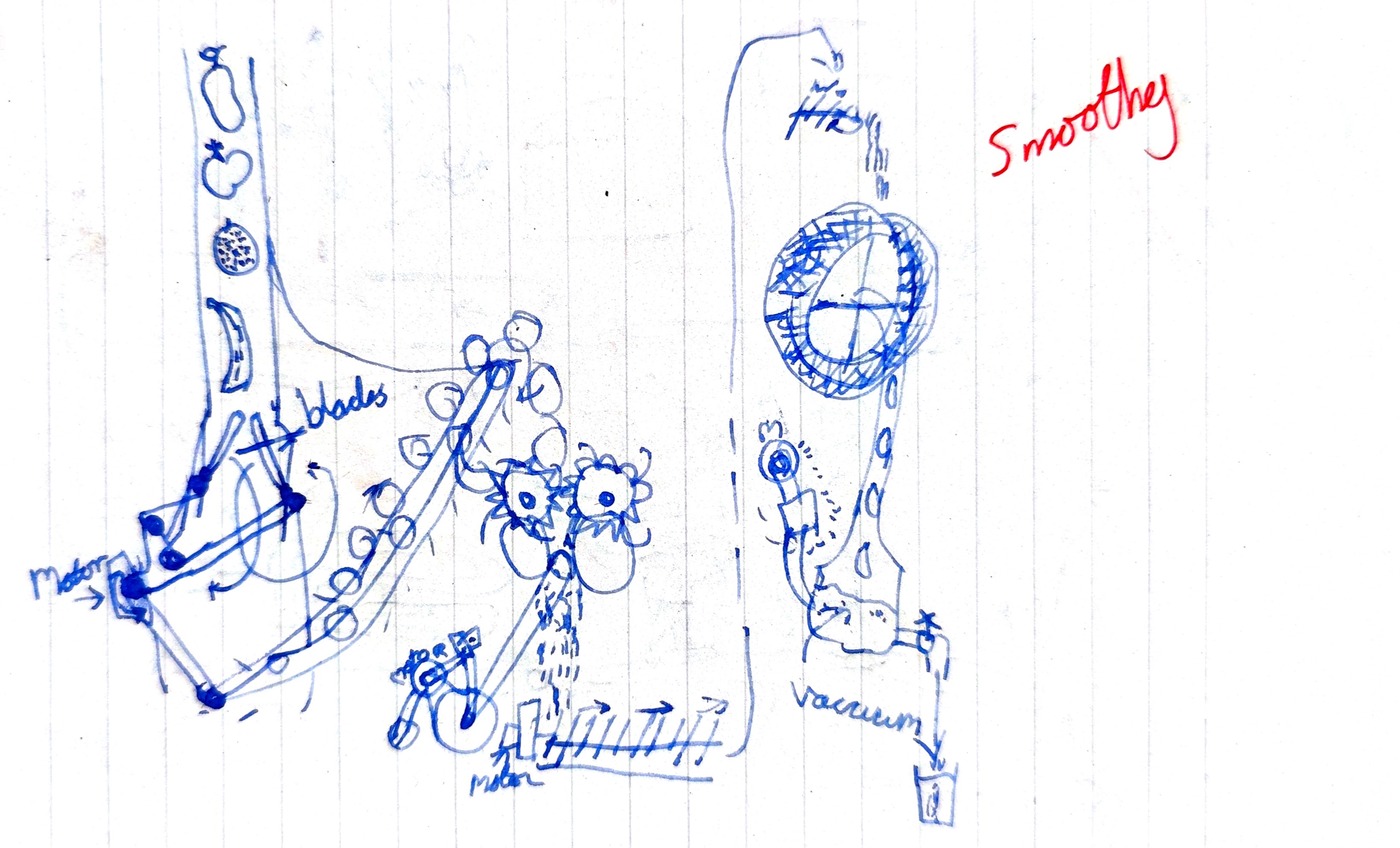
Child's ballpoint drawing labelled 'Smoothey': a chute of fruit feeding blades driven by two motors, with a vacuum line delivering the drink into a cup
SMOOTHIE MAKER
School years

The bench moves home.

02 School years

The workshop years

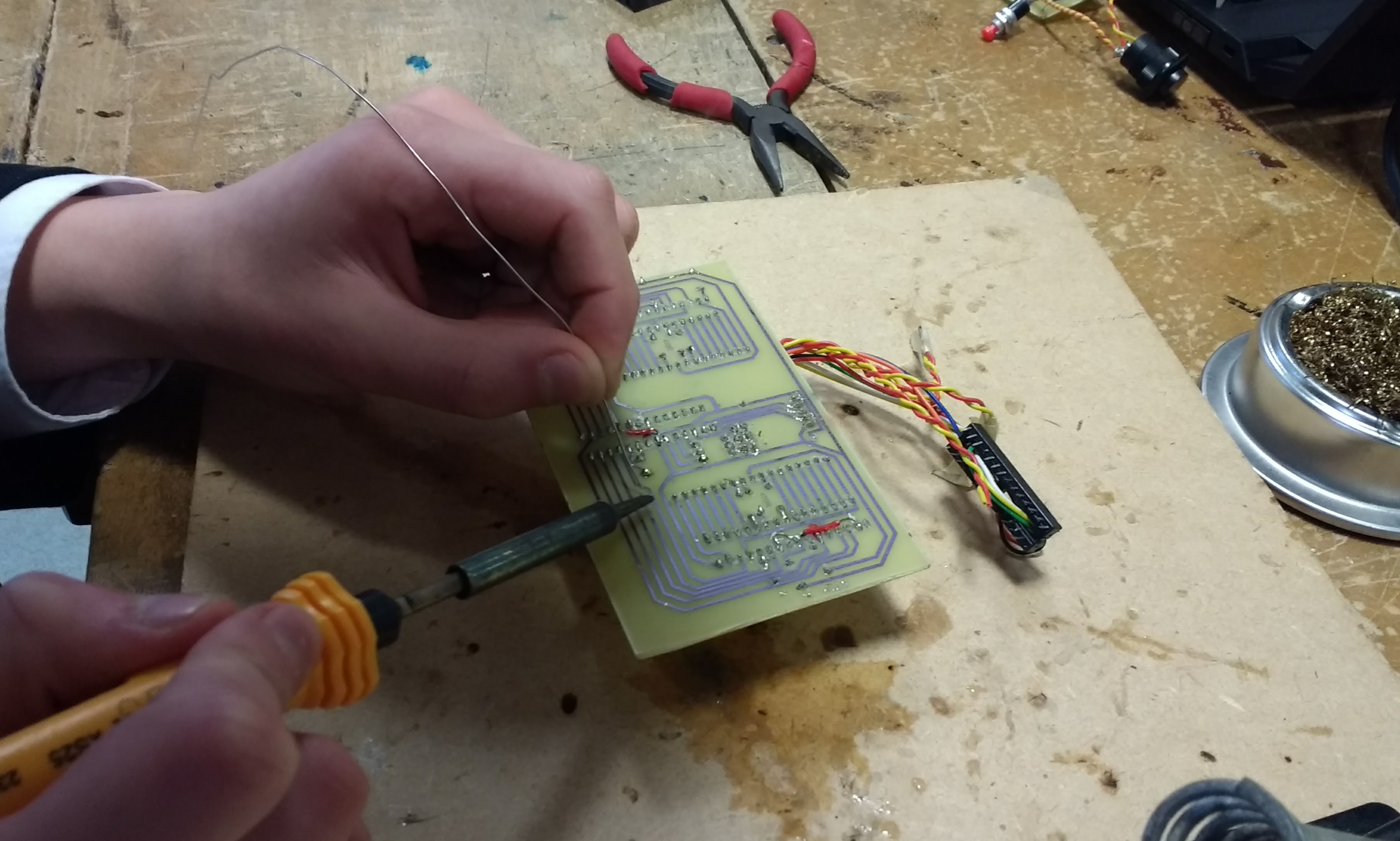
School workshops and a bench at home: PCBs etched by hand, stripboard and Arduinos, a 3D printer that mostly printed parts for the next machine. Slowly, the tools were accumulated to turn those early ideas into reality.

Teenage hands soldering a hand-etched circuit board at a workbench: soldering iron in one hand, a component lead in the other, side cutters and a solder reel on the bench
THE FIRST PCB C. AGE 16
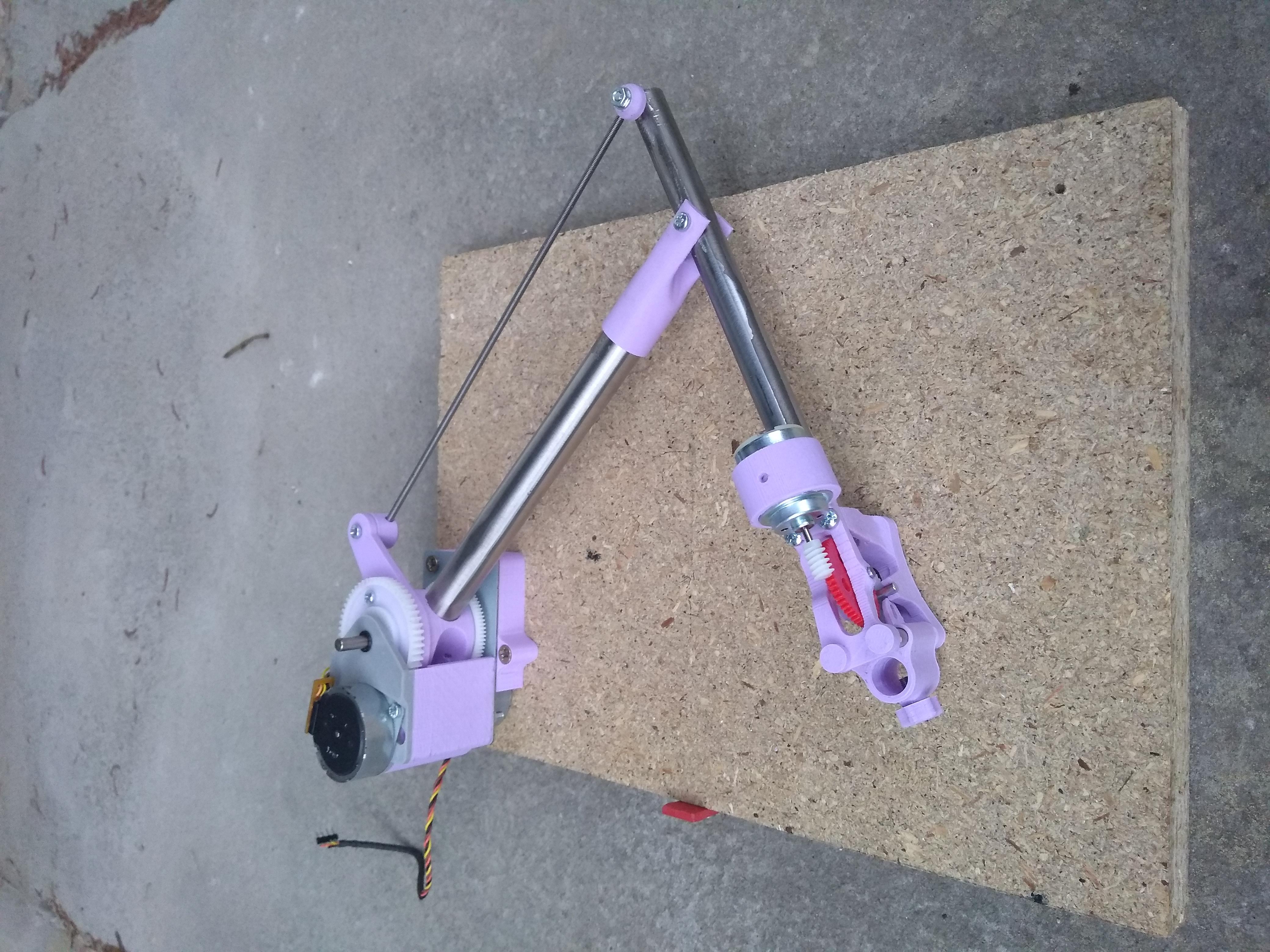
DIY SCARA-style robot arm of lavender 3D-printed parts, steel rods and a stepper motor, mounted on an OSB panel
SCARA MK.I C. AGE 19
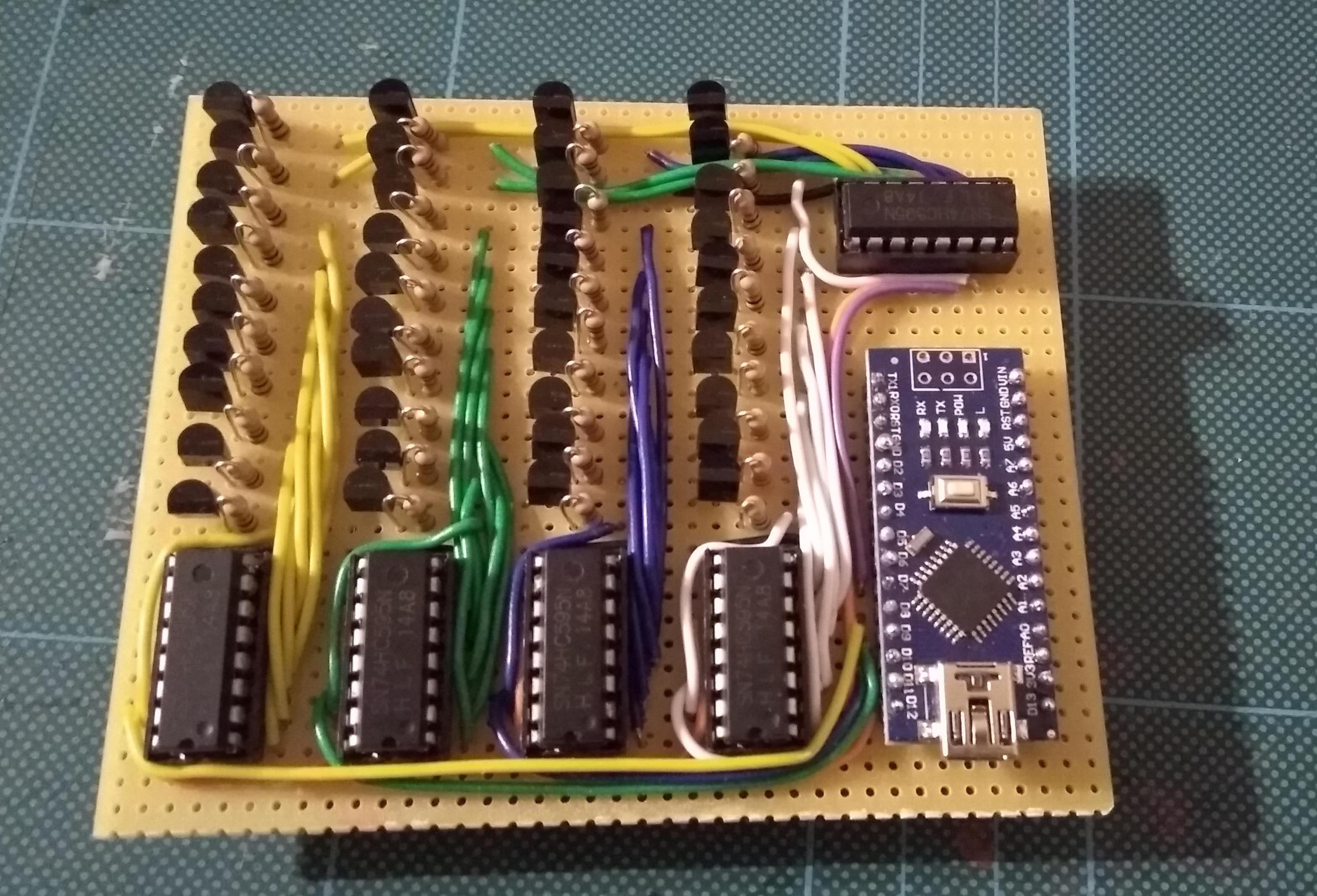
Stripboard circuit with four 74HC595 shift registers, rows of tactile buttons and an Arduino Nano, built on a cutting mat
STRIPBOARD ELECTRONICS C. AGE 18
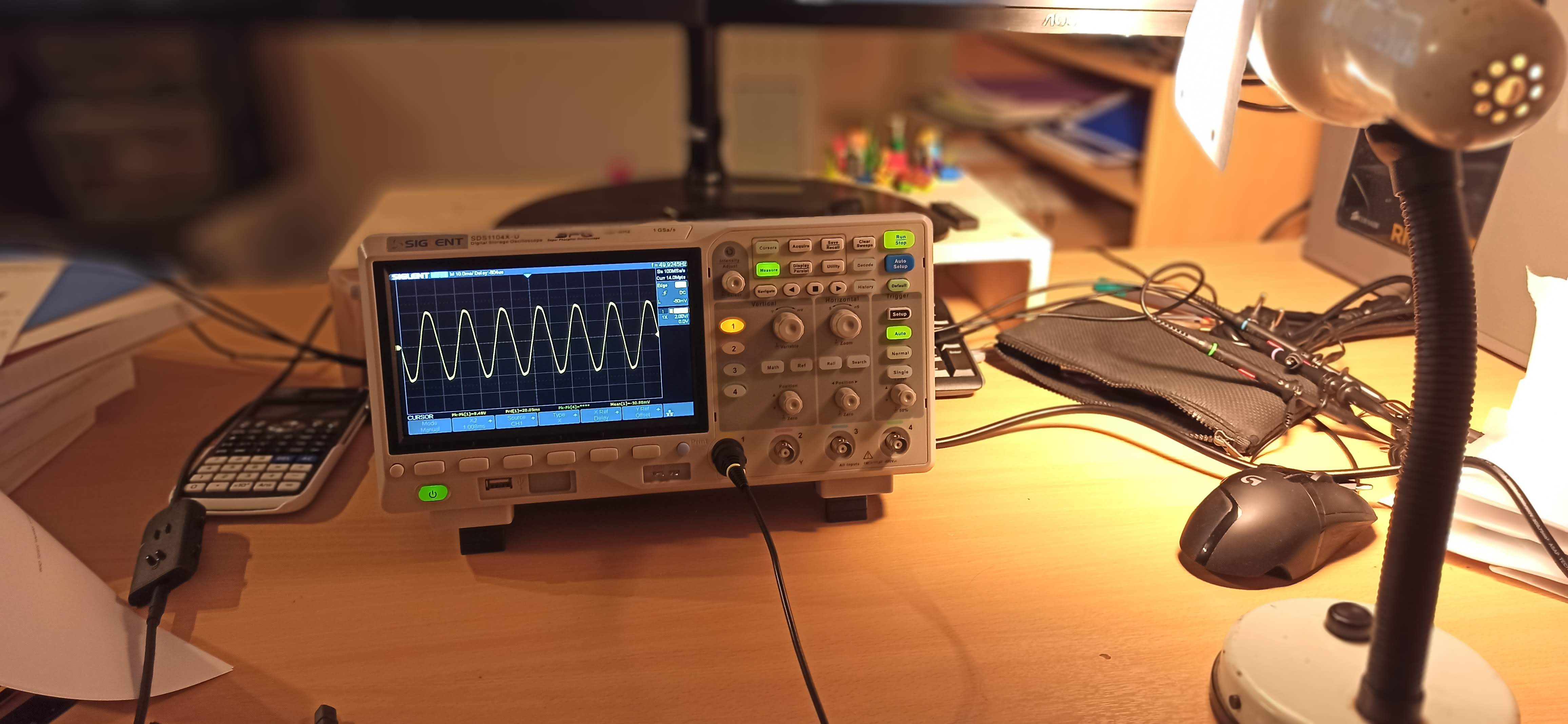
Siglent oscilloscope displaying a sine wave on a cluttered desk beside a calculator, lamp and monitor
OSCILLOSCOPE - AND MESSY DESK! C. AGE 21
03 The training

The degree

Mechanical Engineering at Loughborough, picking up electronics and firmware along the way - because real problems don't respect discipline boundaries.

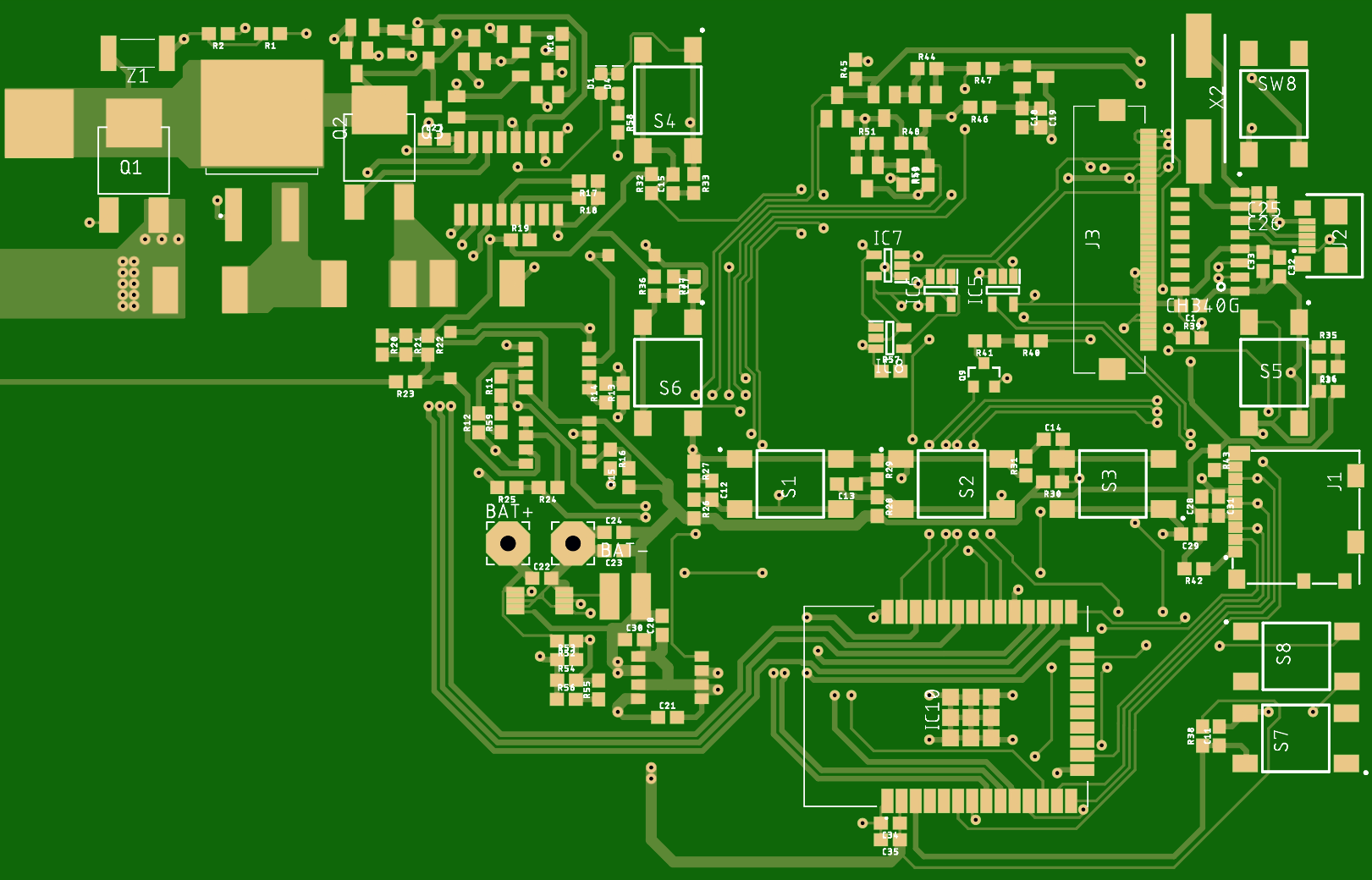
Computer render of a green printed circuit board design: battery terminal, switches, ICs and copper traces
LEARNING PCB DESIGN C. AGE 19
Getting serious

Learning the trade.

Siglent oscilloscope displaying a sine wave on a cluttered desk beside a calculator, lamp and monitor
THE OSCILLOSCOPE C. AGE 21
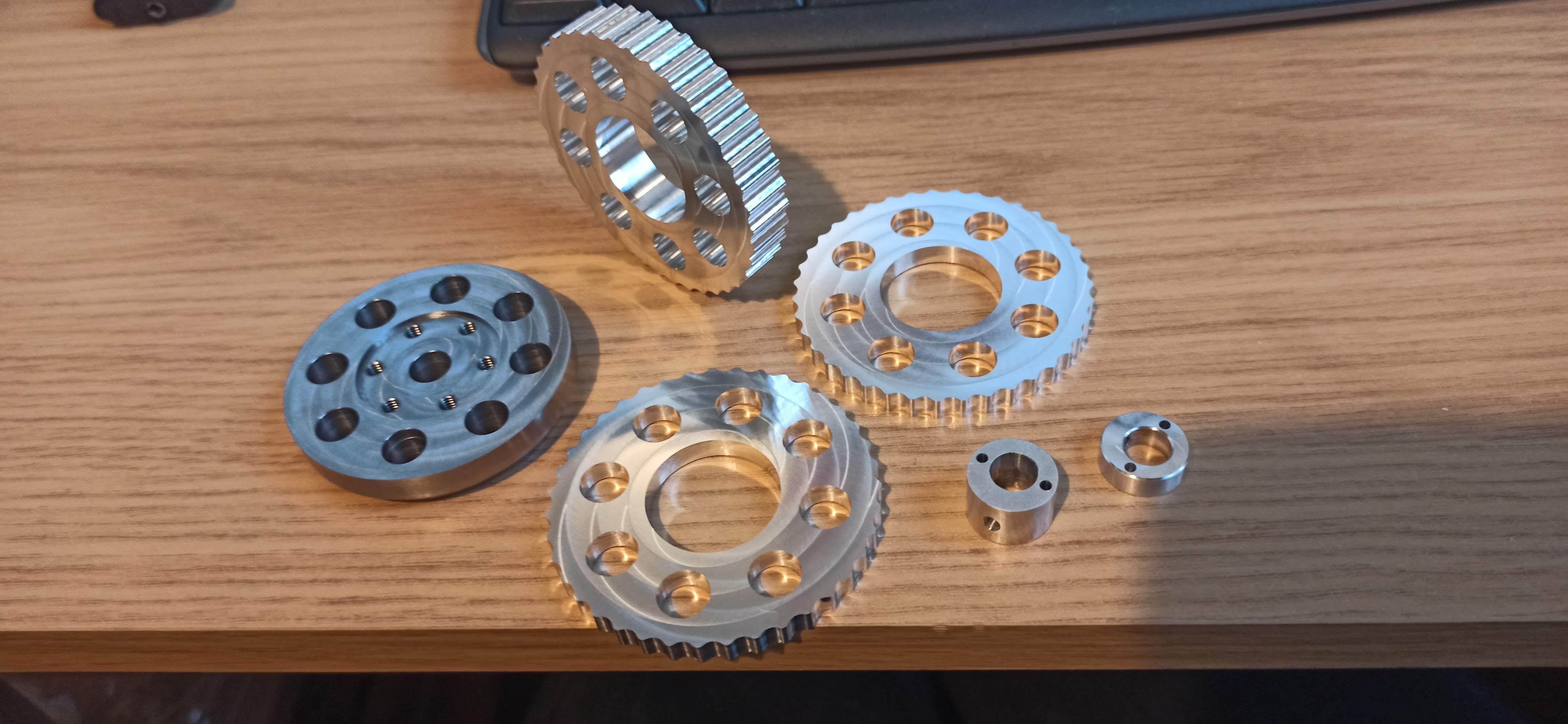
Freshly machined aluminium cycloidal discs, ring gear and eccentric hubs laid out on a desk beside a keyboard
MACHINED CYCLOIDAL GEARS C. AGE 21
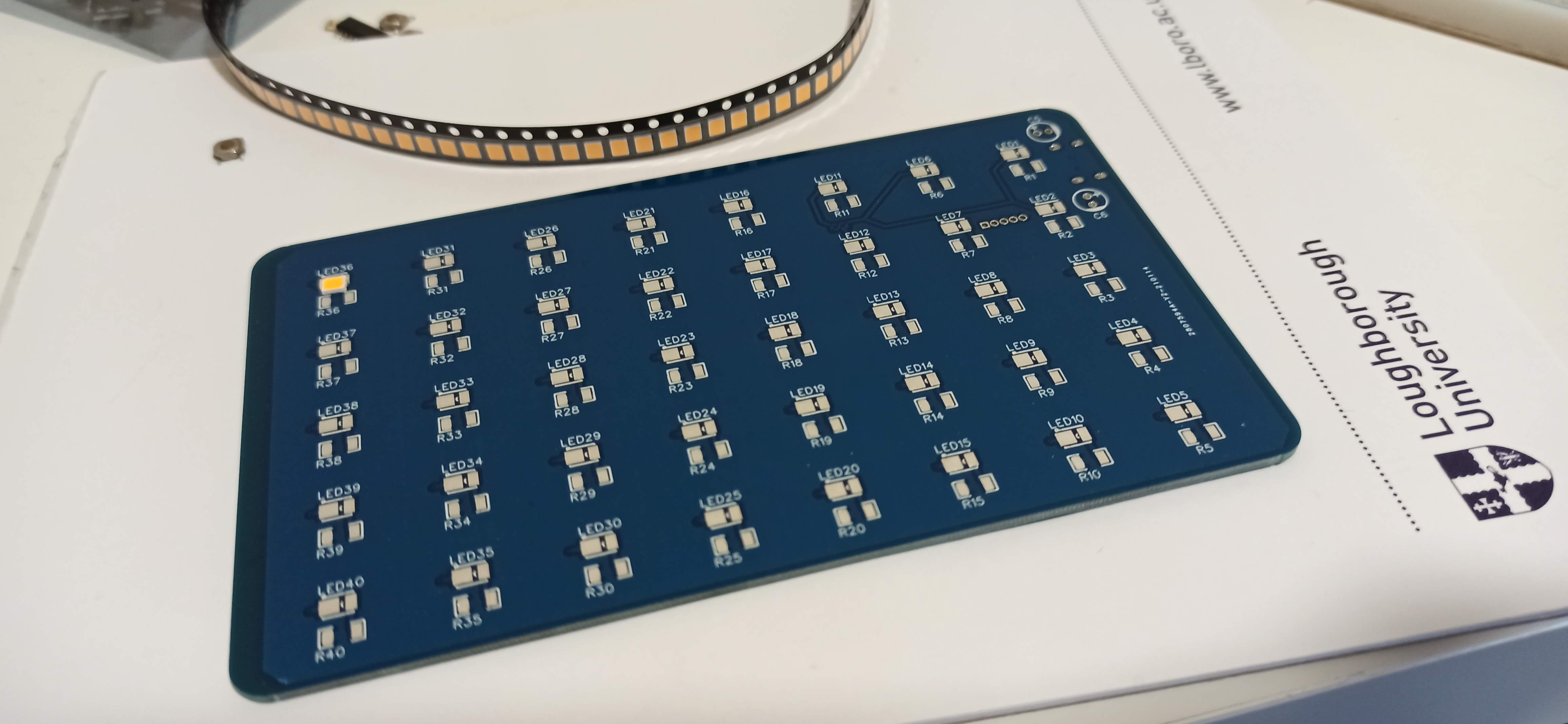
Blue printed circuit board with forty labelled LEDs and resistors, one LED soldered, lying on Loughborough University letterhead beside an LED reel
PHOTOGRAPHY LIGHT SOURCES
The day job

Three years, other people's problems.

04 The day job

Instruments & devices

Three years designing scientific instruments, medical devices, and precision consumer products: places where a drawing error becomes an expensive lesson.

N.B. What stuck

Professional habits

Drawings that other people have to build from. Test plans written before the hardware exists. Requirements treated as promises someone will check. And the assembled system always reveals what the CAD didn't show - so test the assembly, not just the parts.

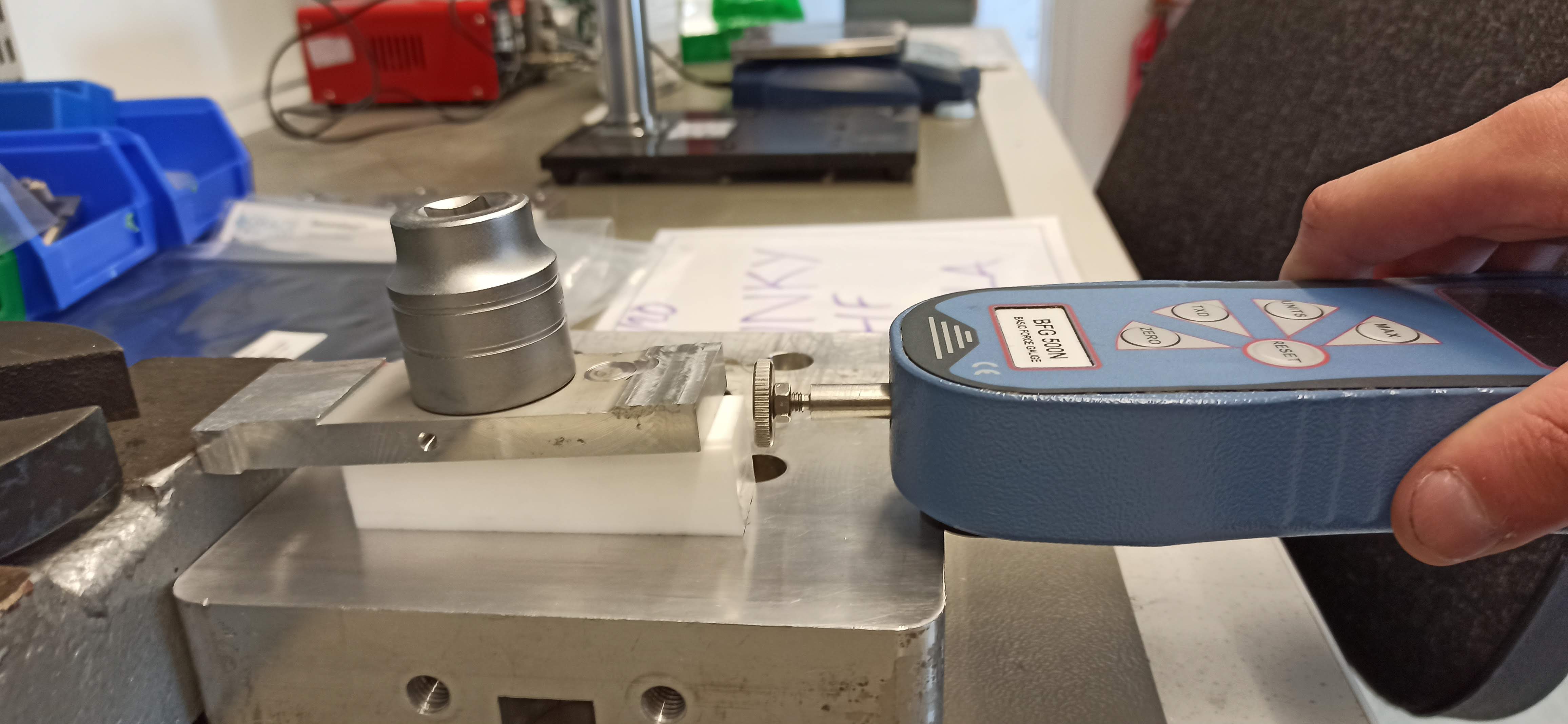
Hand holding a blue force gauge pressing on machined aluminium and white plastic parts clamped in a test fixture, workshop bench behind
THE FIRST WORK PROJECT
Hand holding a blue force gauge pressing on machined aluminium and white plastic parts clamped in a test fixture, workshop bench behind
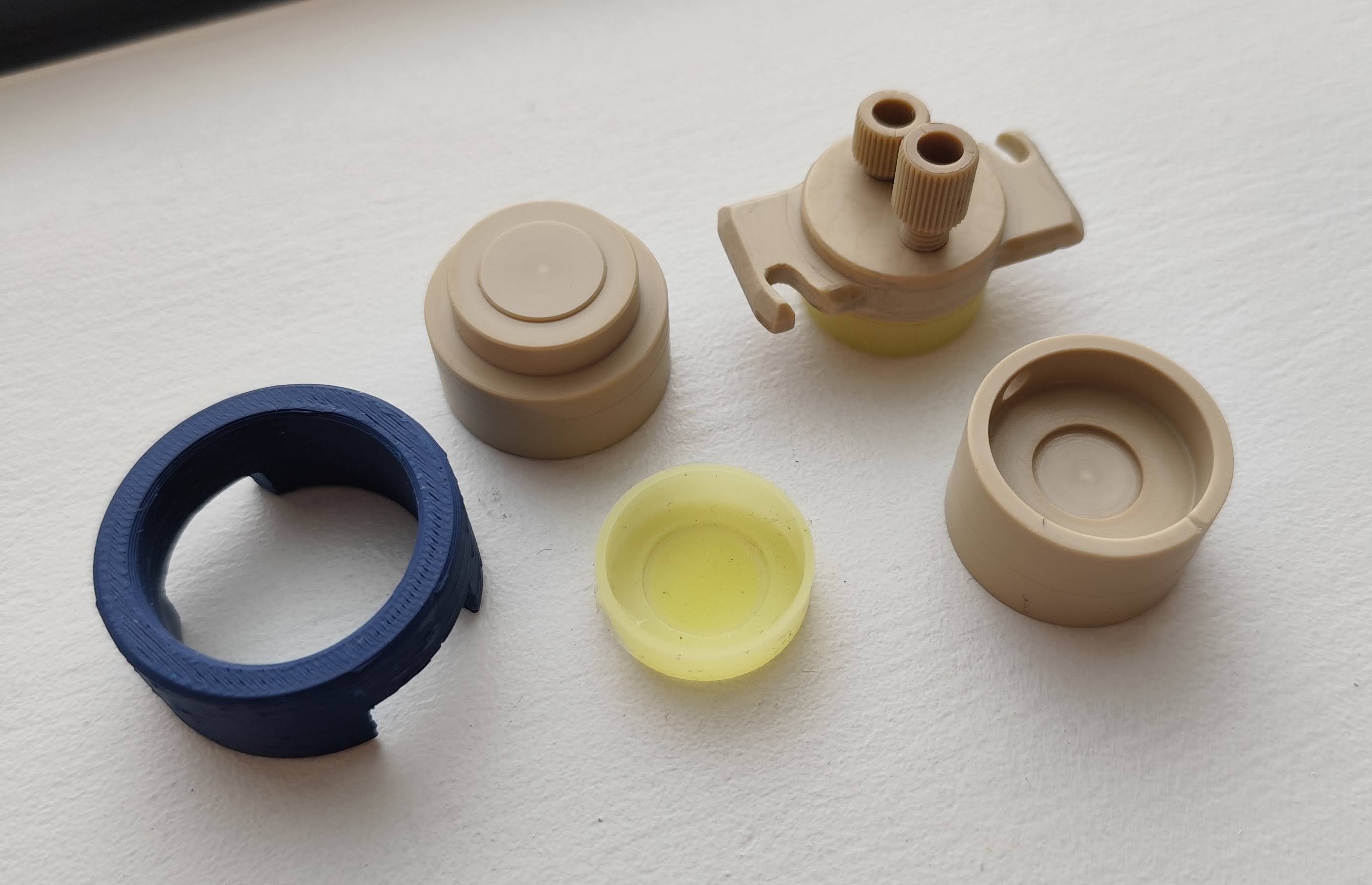
SELF-MACHINED SILICONE MOULD
Where we are today

Mokimo, Sheffield.

05

Mokimo, Sheffield

Mokimo was founded to keep the early habit intact at professional scale. Small, so decisions stay close to the hardware, and close to you. We build what we design and test what we build, carrying work through design, build, integration and test. The projects got harder. The notebook logic didn't change.

01

Draw it first

Every project starts as a drawing that has to justify itself before anything is cut. Cheap on paper, expensive in metal.

02

Build what you design

We work through design, build, integration and test. The gap between paper and product is where projects fail; that's why work with both.

03

Test what you build

A design isn't finished when it looks right. It's finished when it has been measured, exercised, and proven against what it promised.

The drawings got better. The habit didn't change.

If you have something that needs to exist: a product, a piece of equipment or a production step that needs to work, we'd like to hear about it.

Discuss a project View our work →